Why Is My Tooth Still Sensitive After a Crown
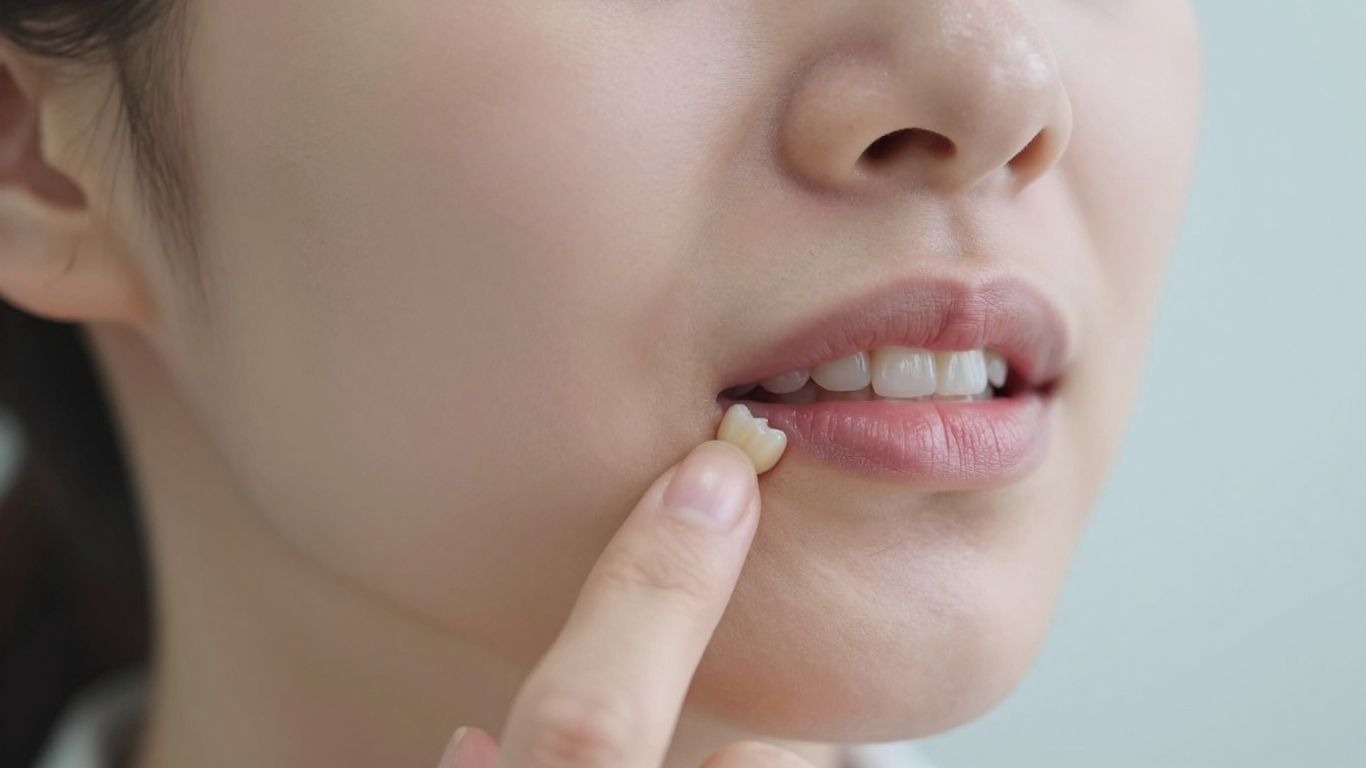
So, you got a new crown, thinking all your dental woes were over, but nope – your tooth is still acting up, especially when it's cold or hot. It's a bummer, right? You might be wondering, 'Why is my tooth still sensitive after a crown?' or 'Why does my crowned tooth still hurt?' It's not as uncommon as you'd think, and there are a few reasons why this might be happening.
What sensitive tooth after dental crown reasons usually point to
When a tooth is sensitive after getting a crown, it's usually a sign that something is still settling or needs a closer look. It's not always a big deal, but it's definitely something to pay attention to. Here are some common culprits:
- Nerve Irritation: The process of getting a crown, especially if the tooth had decay or needed a root canal, can sometimes irritate the nerve inside your tooth. This nerve is pretty sensitive, and it might take a while to calm down.
- Bite Issues: If the crown isn't quite sitting right, it can throw off your bite. This means you might be putting too much pressure on that tooth when you chew, leading to pain and sensitivity.
- Gum Problems: Sometimes, the edge of the crown can irritate your gums, or your gums might recede a bit, exposing the root of the tooth. The root isn't as protected as the crown part, so it can be more sensitive.
- Underlying Infection: In some cases, though less common, the sensitivity could be a sign of an infection brewing either in the tooth itself or around the root. This is definitely something you don't want to ignore.
It's important to remember that a little bit of sensitivity right after getting a crown is often normal. Your mouth is just getting used to a new addition. However, if that sensitivity sticks around for too long or gets worse, it's time to figure out what's going on.
Think of it like getting a new pair of shoes. Sometimes they feel a bit stiff or rub in weird places at first, but eventually, they break in. Your tooth and crown are kind of the same, but if those "new shoe" feelings don't go away after a reasonable time, you might need to see the cobbler – or in this case, your dentist.
Common Tooth Sensitivity After Crown Placement Causes
So, you've got a new crown, and your tooth is still acting a bit sensitive? It happens more often than you might think. While a little tenderness right after the procedure is pretty normal, sometimes that sensitive tooth after dental crown reasons can linger. Let's break down why your tooth might still be feeling a bit grumpy.
Why does a crowned tooth still hurt weeks later?
It's definitely frustrating when you're expecting relief and instead get a twinge every time you sip something cold. There are a few common culprits behind this persistent tooth sensitivity after crown placement.
- Nerve Irritation: Sometimes, the process of preparing your tooth for a crown, or even the crown itself, can irritate the nerve inside your tooth. This is especially true if the decay was deep or if a root canal was needed before the crown. The nerve might just need a bit more time to calm down.
- Bite Issues: Believe it or not, how your crown fits with your other teeth can make a big difference. If the crown is even slightly too high, it can cause your teeth to hit each other unevenly when you bite down. This constant pressure can lead to pain and sensitivity over time.
- Infection or Decay: This is the one you really don't want to ignore. If there's a tiny gap between the crown and your natural tooth, or if the seal isn't perfect, bacteria can sneak in. This can lead to new decay or even an infection at the root of the tooth, causing ongoing pain.
It's important to remember that while some sensitivity is expected, it shouldn't get worse or last for months on end without any improvement. Your mouth is pretty good at telling you when something isn't quite right.
Here are some other sensitive tooth after dental crown reasons to consider:
- Exposed Dentin: If your gums have receded a bit around the crowned tooth, the underlying dentin (the layer beneath the enamel) can become exposed. Dentin has tiny tubes that lead to the nerve, so when it's exposed, it's more sensitive to temperature and touch.
- Material Matters: Some crown materials conduct temperature changes more readily than others. Metal crowns, for example, can sometimes make teeth feel more sensitive to hot and cold compared to ceramic or porcelain ones.
- Cement Sensitivity: Occasionally, there might be a mild reaction to the dental cement used to bond the crown in place. This usually resolves on its own as your gum tissue adjusts.
Tooth Pain Under Crown Causes You Shouldn't Ignore
So, your tooth still hurts even after getting that shiny new crown? While a little sensitivity right after the procedure can be normal, persistent or sharp pain is definitely something to pay attention to. It's your mouth's way of telling you something might be up, and ignoring it could lead to bigger problems down the road. Let's break down some of the tooth pain under crown causes you really shouldn't brush off.
Nerve irritation, bite issues, and infection explained
Sometimes, the pain you're feeling isn't just a minor annoyance; it could be a sign of something more serious brewing under that crown. Think of it like a warning light on your car's dashboard – you wouldn't just ignore it, right?
Here are a few common culprits that warrant a closer look from your dentist:
- Nerve Irritation or Damage: During the crown preparation, the nerve inside your tooth can get irritated or, in some cases, slightly damaged. This can make the tooth extra sensitive to hot, cold, or even just pressure. If the pain is sharp and lingers, especially after you've eaten or had a drink, it might mean the nerve is still unhappy.
- Bite Issues (Occlusal Problems): Your new crown needs to fit perfectly with your other teeth so that when you bite down, the pressure is distributed evenly. If the crown is a little too high, or your bite is off, it can put extra stress on the tooth and surrounding structures every time you chew. This constant pressure can lead to aching and sensitivity.
- Infection: This is probably the most serious one. Bacteria can sometimes find their way under the crown, especially if there's a tiny gap or if the seal isn't perfect. This can lead to an infection in the pulp (the inner part of the tooth) or even spread to the root. Signs of infection can include throbbing pain, swelling around the gum line, and sometimes even a bad taste or smell.
- Ill-Fitting Crown: If the crown wasn't made or cemented perfectly, it might not sit right. This can lead to exposed tooth structure (dentin) or put pressure on your gums, both of which can cause pain and sensitivity.
- Cracked Tooth or Crown: It's possible the tooth itself or the crown has developed a small crack. This can happen from trauma, grinding your teeth, or even just wear and tear over time. Cracks can allow irritants to reach the sensitive parts of the tooth.
Persistent pain that lasts for more than a few weeks, or pain that gets worse instead of better, is a clear signal that something needs professional attention. Don't just tough it out; a dentist can figure out exactly what's going on and fix it before it becomes a bigger ordeal.
If you're experiencing any of these issues, especially if the pain is severe, getting worse, or accompanied by swelling, it's time to call your dentist. They can take a closer look, maybe with an X-ray, to pinpoint the exact cause and get you the right treatment. It could be as simple as adjusting the bite, or it might require something more involved like a root canal if an infection is present. Getting it checked out quickly is key to saving your tooth and your investment in the crown.
How Long Should Sensitivity Last After a Crown?
So, you've got a new crown, and your tooth is feeling a bit sensitive. Totally normal, right? Well, usually, yes. Most of the time, this sensitivity is just your tooth and gums getting used to the new addition. Think of it like breaking in a new pair of shoes – a little awkward at first, but it gets better.
When to call your dentist about persistent crown pain
Generally, you can expect sensitivity to fade within a few days to a couple of weeks after getting your permanent crown. It's that initial adjustment period where your tooth might react a bit to hot or cold, or even just feel a little tender. This is pretty standard, especially if the tooth needed a lot of work before the crown went on. The tooth's nerve might still be settling down.
However, if that sensitivity sticks around longer than you'd expect, or if it starts to get worse instead of better, it's time to pay attention. We're talking about sensitivity that lasts beyond three weeks, or any sharp, shooting pain that pops up. That's not usually part of the "getting used to it" phase.
Here's a quick rundown of when to pick up the phone and call your dentist:
- Sensitivity that doesn't improve after two weeks. If it's still there, or even getting more noticeable, don't just wait it out.
- Sharp or throbbing pain. This isn't just mild tenderness; it's a more intense pain that could signal a bigger issue.
- Pain when you bite down. If closing your mouth or chewing causes a jolt of pain, something's likely off with the fit or alignment.
- Swelling or redness around the gum line. These are signs of inflammation or potential infection that need immediate attention.
Sometimes, a crown might feel a little off for a while. It's like your mouth is figuring out the new normal. But if that "off" feeling turns into persistent pain or discomfort, it's your body's way of telling you something needs a closer look. Don't hesitate to get it checked out; it's better to be safe than sorry when it comes to your teeth.
Remember, your dentist wants your crown to be comfortable and functional for years to come. If something feels wrong, they're the best ones to figure out why and fix it. It could be something as simple as a minor adjustment to the crown's fit, or maybe a bit of cement needs tweaking. But sometimes, it can point to something more, like nerve irritation or even a small infection brewing. Catching these things early makes a huge difference in getting you back to comfortable chewing and smiling.
How to Relieve and Treat Tooth Sensitivity After a Crown
So, your new crown is feeling a bit sensitive. Annoying, right? Don't panic just yet. There are a few things you can try at home to make things more comfortable while your tooth settles in.
First off, think about what you're eating and drinking. Try to avoid anything super hot or super cold for a while. That ice cream or piping hot coffee can really send a jolt through a sensitive tooth. Stick to lukewarm or room temperature options until the sensitivity calms down. Also, be mindful of really crunchy or hard foods that might put extra pressure on the area.
Using a toothpaste made for sensitive teeth can also make a big difference. These toothpastes have ingredients that help block those little pain signals from reaching the nerve. Just use it like you normally would, twice a day, and give it some time to work its magic.
Keeping up with your regular brushing and flossing is still super important, but be gentle around the new crown. A soft-bristled toothbrush is your best friend here. You want to keep the area clean to prevent any irritation or infection, but without scrubbing too hard.
Sometimes, a simple saltwater rinse can help too. Mix about half a teaspoon of salt in a glass of warm water and swish it around. It can help calm down any inflammation you might be experiencing.
If you're a teeth grinder, that could be adding to the problem. You might want to talk to your dentist about a night guard if this is something you do without realizing it.
Here are a few more tips:
- Gentle Cleaning: Use a soft-bristled toothbrush and floss daily, being careful around the crown.
- Temperature Control: Avoid extreme hot or cold foods and drinks.
- Dietary Tweaks: Opt for softer foods and steer clear of very acidic or sugary items.
- Over-the-Counter Relief: Pain relievers like ibuprofen can help manage discomfort temporarily.
If these home remedies don't seem to be helping after a couple of weeks, or if the pain feels really sharp or gets worse, it's definitely time to give your dentist a call. They can check if the crown is fitting just right or if there's something else going on that needs a professional touch.
So, What's the Takeaway?
Look, having a sensitive tooth after getting a crown can be a real pain, and it's totally understandable to wonder if it's just part of the deal or something more. Most of the time, that little zing you feel, especially with cold stuff, is just your tooth getting used to its new hat. It usually calms down on its own within a week or two. But, if that sensitivity sticks around for weeks, gets worse, or feels like a sharp, nagging pain, don't just ignore it. It's probably time to give your dentist a call. They can figure out if the crown needs a little tweak, if there's some irritation going on, or if something else needs looking into. Getting it checked out means you can get back to enjoying your coffee and ice cream without a second thought.
Frequently Asked Questions
How long should I expect tooth sensitivity after getting a crown?
It's pretty normal to feel some sensitivity for a few days to a couple of weeks after getting a permanent crown. Think of it like your tooth getting used to something new. This feeling usually gets better on its own as your tooth heals and settles in. However, if the sensitivity lasts longer than a few weeks, feels really sharp, or gets worse, it's a good idea to chat with your dentist.
Why does my tooth hurt when I drink something cold after a crown?
Sensitivity to cold is common after a crown because the process of preparing your tooth might have irritated the nerve inside. Also, sometimes the protective outer layer of the tooth (enamel) is trimmed, exposing a layer called dentin. Dentin has tiny tubes that lead to the nerve, so cold can easily reach it and cause a zing of pain. This usually calms down as things heal.
Can a crown that doesn't fit right cause pain?
Yes, absolutely. If a crown isn't shaped or placed perfectly, it can cause problems. It might feel too high when you bite down, leading to pressure and pain. It can also create tiny gaps where bacteria can sneak in, causing decay and sensitivity. Your dentist can usually adjust a crown that doesn't fit quite right.
What if my tooth still hurts weeks or months later?
If your tooth sensitivity sticks around for more than a few weeks, or if you start feeling pain months down the line, it's definitely something to get checked out. It could mean there's an issue like nerve inflammation that needs more attention, or maybe an infection around the tooth's root. Sometimes, it might even mean the crown needs to be adjusted or replaced.
Could the material of the crown affect sensitivity?
Sometimes, yes. Different materials conduct heat and cold differently. For example, metal crowns might let you feel temperature changes more intensely than porcelain or ceramic ones. The cement used to hold the crown in place can also sometimes cause temporary irritation.
What can I do at home for sensitivity after a crown?
You can try using toothpaste designed for sensitive teeth; it has ingredients that help block pain signals. It's also wise to be gentle when brushing and flossing around the new crown. Try to avoid biting into very hard foods or drinking extremely hot or cold beverages for a while, especially if they trigger the sensitivity.
Blog Post Author

Contributed by DentalROI
DentalROI provides relevant dental content to help providers educate patients. The statements, services, and products referenced in this article have not been evaluated by the Food and Drug Administration, and they are not intended as a substitute for professional medical advice, diagnosis, or treatment. Always seek the advice of your dental provider with any questions or issues you may have. Specific recommendations may vary in different circumstances, so individual consultation is important.